Teenage Alcohol Addiction in India: Psychological and Emotional Triggers

Teenage alcohol addiction in India stems from psychological triggers like exam stress, peer pressure, and emotional voids from family conflicts. These factors alter young brains, leading to dependency, anxiety, and risky behaviors amid rising urban influences. [article] Early intervention through counseling breaks this cycle for healthier futures. Prayas Sewa Samiti, Dehradun, supports teens with tailored therapy—empowering resilient, sober tomorrows starting now.
Why Teenage Alcohol Addiction in India Is Rising
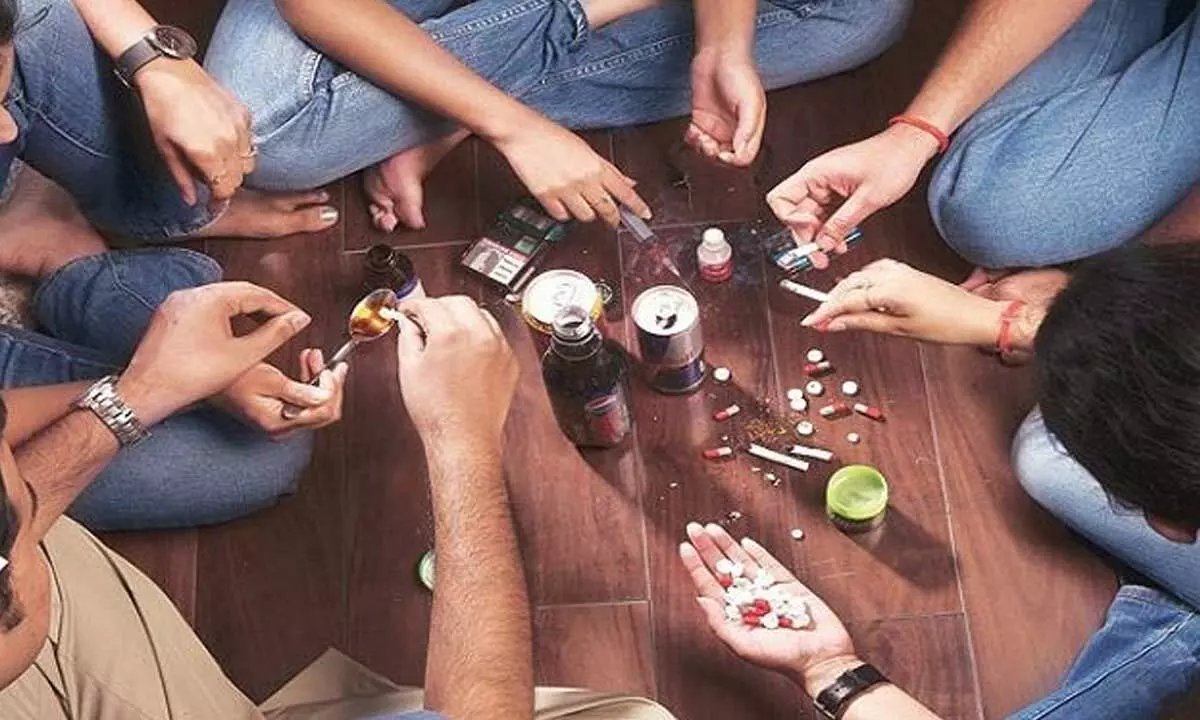
In recent years, teenage alcohol addiction in India has witnessed a disturbing surge. Reports from health organizations suggest that the average age of first alcohol use has dropped significantly. This decline points to a broader social acceptance of underage drinking and a lack of strong deterrents.
One of the driving forces behind this trend is peer influence. Teenagers are more likely to experiment with alcohol when they see their friends doing it. Furthermore, Indian cinema and social media glamorize drinking, portraying it as cool or stress-relieving, which further encourages curious minds.
The lack of dialogue around mental health and substance use in Indian households contributes to the secrecy and shame surrounding addiction. Teens don’t feel safe discussing their experiences or asking for help. As a result, teenage alcohol addiction in India often goes unnoticed until it becomes a full-blown crisis.
Psychological and Emotional Triggers
Adolescence is a phase filled with emotional turbulence—identity crises, relationship issues, and academic pressures. Many teens turn to alcohol as a coping mechanism, unaware of the long-term effects it can have on their developing brains.
The dopamine rush associated with alcohol offers temporary relief from anxiety or depression. But repeated use creates a cycle of emotional dependence. As tolerance builds, teens consume more to feel the same “high,” leading to addiction.
According to the counselors at Prayas Sewa Samiti, many teenagers who come into rehabilitation started drinking as a way to escape emotional pain. Addressing teenage alcohol addiction in India requires us to also prioritize mental health education in schools and homes.
Physical and Academic Consequences
One of the most severe impacts of teenage alcohol addiction in India is on physical health. Alcohol can damage a teenager’s liver, heart, and brain, all of which are still developing. Sleep disturbances, hormonal imbalance, and impaired motor skills are common side effects that further deteriorate health and functioning.
In school, addiction manifests as declining grades, poor attendance, and behavioral issues. The inability to concentrate or remember information affects academic performance, which can close doors to higher education and future career paths.
Rehab experts at Prayas Sewa Samiti frequently observe teens who once excelled in studies but struggled to regain focus due to prolonged alcohol exposure. Early intervention is critical to reverse this damage.
Family and Social Impact
Teenage alcohol addiction in India also disrupts family dynamics. Parents often feel helpless, angry, or ashamed. Misunderstandings and frequent conflicts become common. In extreme cases, addiction leads to violence or legal issues that affect the entire family.
Teens battling addiction may also distance themselves from siblings, friends, and other positive influences. Isolation and secrecy become coping tools, while relationships deteriorate. Restoring these connections is often part of the rehabilitation journey.
Through its family counseling programs, Prayas Sewa Samiti supports both teens and their families, offering a holistic approach that addresses the root causes of addiction while rebuilding trust and communication.
How Social Settings Contribute to Teen Addiction
Parties, social clubs, and even tuition centers can become hotspots for underage drinking. With minimal adult supervision, teens are free to experiment without immediate consequences. Alcohol is often supplied by older peers or even by family members who underestimate the risks.
Many parents still believe that allowing supervised drinking at home is safer than banning it altogether. However, studies show that early exposure increases the likelihood of dependency. Teenage alcohol addiction in India is often normalized in such households, making prevention more difficult.
Prayas Sewa Samiti conducts awareness sessions in schools and community centers, helping parents and educators understand the early warning signs and take proactive measures.
Prevention and Early Intervention
Preventing teenage alcohol addiction in India starts with education—open conversations about addiction, its risks, and its long-term impact. Schools, religious organizations, and social workers must collaborate to build safer environments for teens.
Early signs like sudden mood changes, new friend circles, drop in grades, and secretive behavior should not be ignored. Instead of punishment, teens should be approached with empathy and guided toward counseling or therapy.
Prayas Sewa Samiti offers teen-specific programs that combine therapy, skill-building, and mentorship. These programs not only focus on de-addiction but also on empowering teenagers to make healthier life choices.
The Role of Rehab in Recovery
Once addiction takes hold, professional help becomes essential. Rehab centers offer structured treatment, medical detox, counseling, and aftercare planning tailored to teenagers.
What makes teen rehab different is the need to address developmental, emotional, and social aspects alongside substance withdrawal. Centers like Prayas Sewa Samiti create teen-friendly programs that include academic support, group therapy, and family involvement to ensure well-rounded recovery.
Recovery doesn’t end with rehab—it’s a lifelong journey. Continued counseling, support groups, and vocational training can help prevent relapse and integrate teens back into society with confidence.
Conclusion
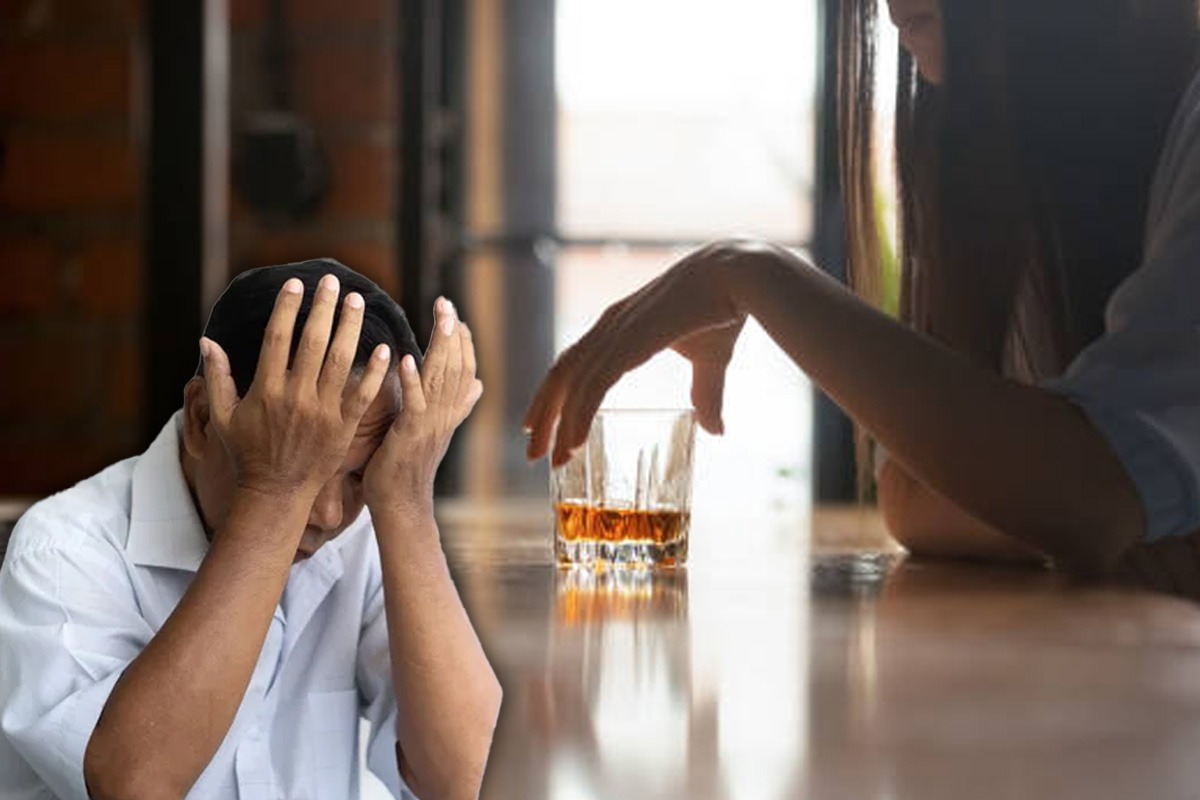
The growing threat of teenage alcohol addiction in India is a call to action for communities, educators, families, and policymakers. Left unchecked, this crisis will not only harm our youth but also burden the nation’s future. Early education, compassionate intervention, and structured rehabilitation are the keys to tackling this issue effectively.
Recognized as the best Rehab center in Dehradun, Prayas Sewa Samiti stands as a beacon of hope for teens and families struggling with addiction. Through holistic care, community outreach, and evidence-based recovery programs, it continues to transform lives and safeguard the mental and physical well-being of India’s younger generation.