Understanding The Subconscious Craving Cues

In the journey of addiction recovery, breakthroughs in neuroscience and behavioral science have provided a clearer understanding of how the brain responds to substance use and why relapse can occur even after months of sobriety.
At Prayas Sewa Samiti, a verified and trusted drug addiction center, one key focus of treatment is addressing subconscious craving cues—hidden psychological and physiological signals that can reignite the desire for substance use. By integrating the latest in brain research, Prayas Sewa Samiti targets these powerful cues to promote lasting recovery and prevent relapse.
What Are Subconscious Craving Cues?
Subconscious craving cues are sensory, emotional, or environmental stimuli that can trigger a craving response without the person’s conscious awareness. These cues are deeply rooted in the brain’s limbic system, the emotional center responsible for survival-driven behavior. A recovering individual may not realize why they suddenly feel the urge to use again—this is the power of subconscious craving cues at work.
At Prayas Sewa Samiti, therapies are designed to help patients identify, understand, and manage these subconscious craving cues, allowing them to break free from the grip of involuntary urges and take conscious control over their recovery.
Cue Reactivity and Dopamine Response
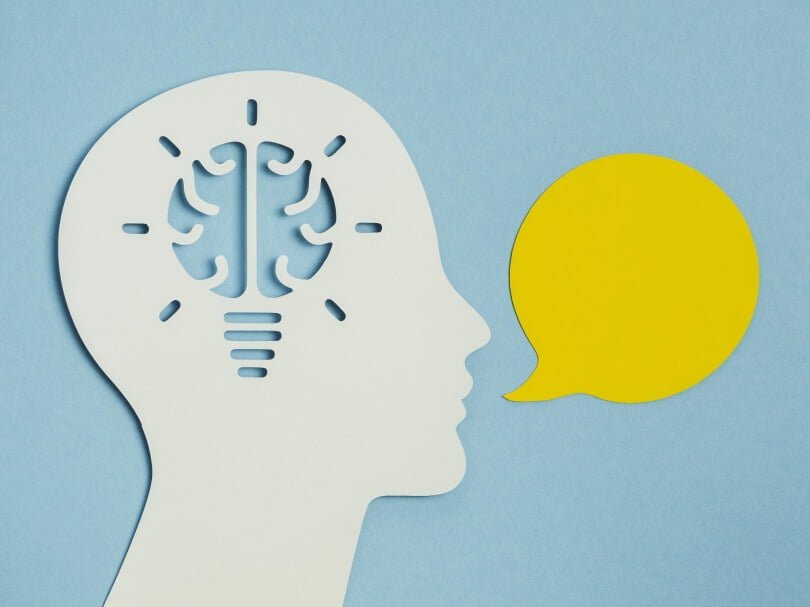
Cue reactivity refers to the brain’s automatic response to addiction-related stimuli. These stimuli activate the brain’s dopamine response—a surge of the “feel-good” neurotransmitter that reinforces addictive behaviors. Even after detox, when the body is no longer chemically dependent, the brain may remain conditioned to respond to certain subconscious craving cues with intense cravings.
Through neuroscience-informed treatment protocols, Prayas Sewa Samiti addresses both cue reactivity and dopamine response. Techniques like mindfulness-based relapse prevention, EMDR (Eye Movement Desensitization and Reprocessing), and CBT (Cognitive Behavioral Therapy) are used to retrain the brain’s reward system and reduce the impact of subconscious craving cues.
Limbic System Activation and Implicit Triggers
When an individual encounters subconscious craving cues, the limbic system is instantly activated. This part of the brain processes emotions and survival instincts and plays a central role in addiction. Implicit triggers—triggers that don’t involve conscious thought, such as the smell of a substance, a certain time of day, or even an emotional memory, can stimulate the limbic system and lead to craving.
Prayas Sewa Samiti helps clients decode these implicit triggers through emotional awareness training, trauma-informed therapy, and journaling. These approaches reduce limbic system activation and help individuals recognize their internal responses before acting on them.
Conditioned Responses and Long-Term Recovery
Addiction is closely tied to conditioned responses, where the brain has learned to associate certain experiences or environments with substance use. Over time, these associations form a network of subconscious craving cues that can be difficult to break. However, with sustained treatment and behavior modification, these connections can be rewired.
At Prayas Sewa, each patient’s treatment plan is designed to dismantle these conditioned responses through exposure therapy, desensitization, and lifestyle restructuring. Clients gradually confront triggering situations in a controlled setting to unlearn the reflexive craving behaviors caused by subconscious craving cues.
Subconscious Craving Cues in the Digital Age
In today’s hyperconnected world, digital environments can also become sources of subconscious craving cues. From social media content that glamorizes substance use to music and memes, modern media subtly reinforces the culture of addiction.
To counteract this, Prayas Sewa Samiti incorporates digital detox strategies and digital literacy programs into its curriculum. Patients are taught to recognize and disconnect from online content that may act as subconscious craving cues, thereby strengthening their resilience in the real and virtual worlds.
Neuroplasticity: Rewiring the Brain Against Craving Cues
A major component of overcoming subconscious craving cues lies in the brain’s ability to change, neuroplasticity. With consistent therapy, healthy routines, and supportive environments, the brain can create new neural pathways that override conditioned addictive behaviors.
At Prayas Sewa, the science of neuroplasticity is harnessed through a combination of physical activity, creative therapies, meditation, and skill-building. These practices not only suppress harmful subconscious craving cues but also reinforce new, positive habits and mental patterns.
Personal Empowerment Through Awareness

A major breakthrough in behavioral science is the realization that subconscious craving cues can lose their power once brought into awareness. The act of recognizing a hidden trigger turns it into a conscious decision point, where individuals can choose how to respond.
Prayas Sewa Samiti empowers patients to become observers of their own minds. Through daily mindfulness practice, group discussions, and guided introspection, individuals become adept at identifying subconscious craving cues and making healthier choices, one moment at a time.
Conclusion: A Science-Based Path to Freedom
At Prayas Sewa Samiti, the battle against addiction is not just about willpower or avoiding substances—it’s about understanding the brain’s language. By identifying and retraining the response to subconscious craving cues and addressing related factors like cue reactivity, dopamine response, limbic system activation, and conditioned responses, this drug addiction center in Dehradun gives individuals the knowledge and tools to take control of their recovery journey.
In a campus verified for its excellence in treatment and care, Prayas Sewa Samiti offers a sanctuary where neuroscience meets compassion. Every therapy, every session, and every breakthrough is designed to strip the power from subconscious craving cues, restore personal agency, and foster a life of clarity, health, and purpose.