The Power of Psycho-Emotional Detox in Addiction Recovery

In the realm of addiction recovery, physical detox is only half the battle. For lasting healing, individuals must undergo psycho-emotional detox—a process that addresses the emotional, psychological, and neurological residue left by substance abuse and traumatic experiences.
At Prayas Sewa Samiti, a trusted and drug addiction centre, the integration of psycho-emotional detox is central to their rehabilitation philosophy. This holistic method not only heals the mind and body but also strengthens resilience against relapse by resolving cue reactivity, dopamine response imbalances, and limbic system activation patterns.
What Is Psycho-Emotional Detox?
Psycho-emotional detox refers to the therapeutic process of purging deeply embedded emotional and psychological stressors from the mind-body system. It targets implicit triggers, unresolved trauma, and conditioned responses that keep individuals trapped in cycles of dependency and relapse.
Unlike conventional detox, which focuses on the physical removal of substances, psycho-emotional detox goes deeper, working on emotional cleansing, trauma release, and restoring neuro-emotional balance. At Prayas Sewa Samiti, this process forms a critical part of individualised recovery plans, especially for those with co-occurring disorders.
Why Psycho-Emotional Detox Matters in Recovery
Addiction isn’t solely chemical—it’s deeply psychological. Cravings often stem from unprocessed emotions and cue reactivity—automatic responses to people, places, or events tied to past substance use. Through psycho-emotional detox, clients at Prayas Sewa learn to recognise and defuse these cues.
This process includes addressing:
-
Dopamine response disruptions caused by substance abuse.
-
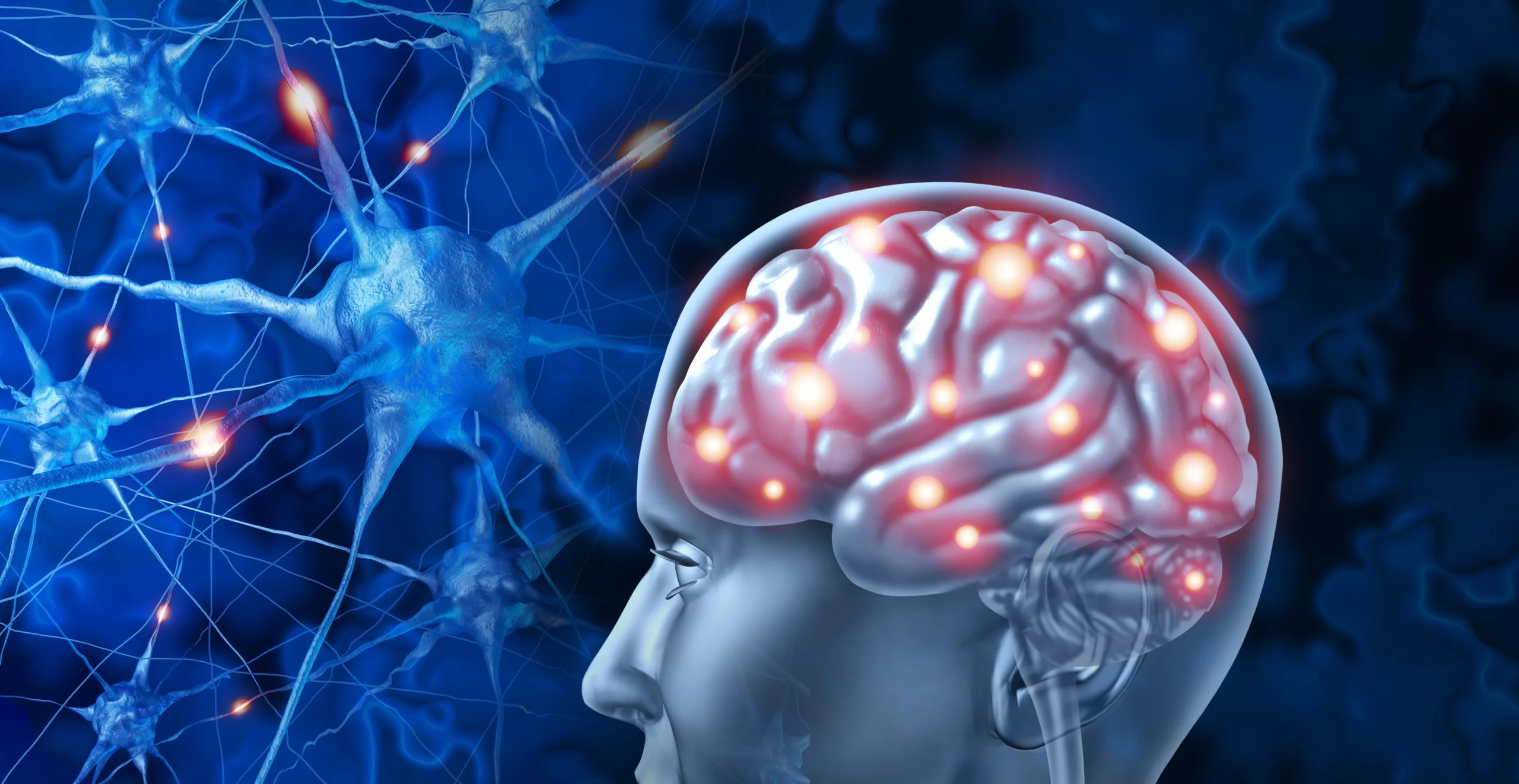
Hyperactivity in the limbic system, which governs emotional reactivity.
-
The influence of implicit triggers, like stress or social anxiety.
-
Long-standing conditioned responses that lead to substance-seeking behaviours.
Each layer of psycho-emotional build-up is carefully unpacked, healed, and replaced with healthier coping strategies.

Emotional Cleansing and Trauma Release
At Prayas Sewa Samiti, psycho-emotional detox begins with emotional cleansing—a process that allows individuals to process grief, guilt, shame, anger, and fear. These emotions, when left unresolved, act as barriers to recovery.
Trauma release is another pillar of psycho-emotional detox. Many clients at this drug addiction centre have histories of physical, emotional, or psychological trauma. Somatic therapy, EMDR (Eye Movement Desensitisation and Reprocessing), and inner-child work are used to safely release trauma from the body and subconscious mind.
Mind-Body Healing Through Somatic Therapy
Somatic therapy plays a pivotal role in psycho-emotional detox at Prayas Sewa Samiti. The connection between the mind and body is foundational—stress, trauma, and anxiety are stored in the nervous system and muscles.
Through breathwork, movement therapy, and guided meditations, clients release emotional blocks held within the body. This not only facilitates stress detoxification but also helps in recalibrating the dopamine response and deactivating the overactive limbic system.
Stress Detoxification and Neuro-Emotional Balance
Stress is a major implicit trigger that often leads to relapse. Prayas Sewa Samiti integrates stress detoxification techniques such as yoga, mindfulness, and structured routine-building into the psycho-emotional detox process.
Clients are also educated on restoring neuro-emotional balance—the brain’s ability to regulate mood, behavior, and emotional responses without external substances. Balanced dopamine production, reduced cue reactivity, and controlled emotional responses are outcomes of a well-executed psycho-emotional detox program.

Overcoming Cue Reactivity and Conditioned Responses
Cue reactivity is a powerful phenomenon where environmental or emotional cues trigger an urge to use. These automatic responses are embedded in the brain through repetition. At Prayas Sewa Samiti, clients engage in therapies designed to weaken conditioned responses and strengthen self-awareness.
Understanding the mechanisms of limbic system activation helps clients take back control. They learn to observe impulses without reacting, rewiring neural pathways through behavioural techniques and psycho-emotional detox methods.
The Role of Dopamine Response in Psycho-Emotional Detox
Substance abuse distorts the natural dopamine response, making it harder for individuals to feel pleasure without drugs. Psycho-emotional detox re-trains the brain to experience joy and satisfaction from healthy activities—whether it’s art, nature, relationships, or achievements.
Through regular engagement in these reward-based actions, clients at Prayas Sewa rebuild dopamine pathways and reduce reliance on substance-induced highs.
Conclusion: A Prayas Sewa Samiti for Holistic Recovery
Prayas Sewa Samiti stands out as a drug addiction centre in Dehradun committed to not just physical but also psycho-emotional detox. By addressing every facet of addiction—including cue reactivity, dopamine imbalance, limbic system overactivation, and conditioned responses—the centre offers a comprehensive path to healing.
Clients leave Prayas Sewa Samiti not only sober but emotionally empowered, neurologically balanced, and prepared to navigate life with clarity and purpose. In the world of recovery, psycho-emotional detox isn’t optional—it’s essential.