Mindfulness In Addiction Recovery.
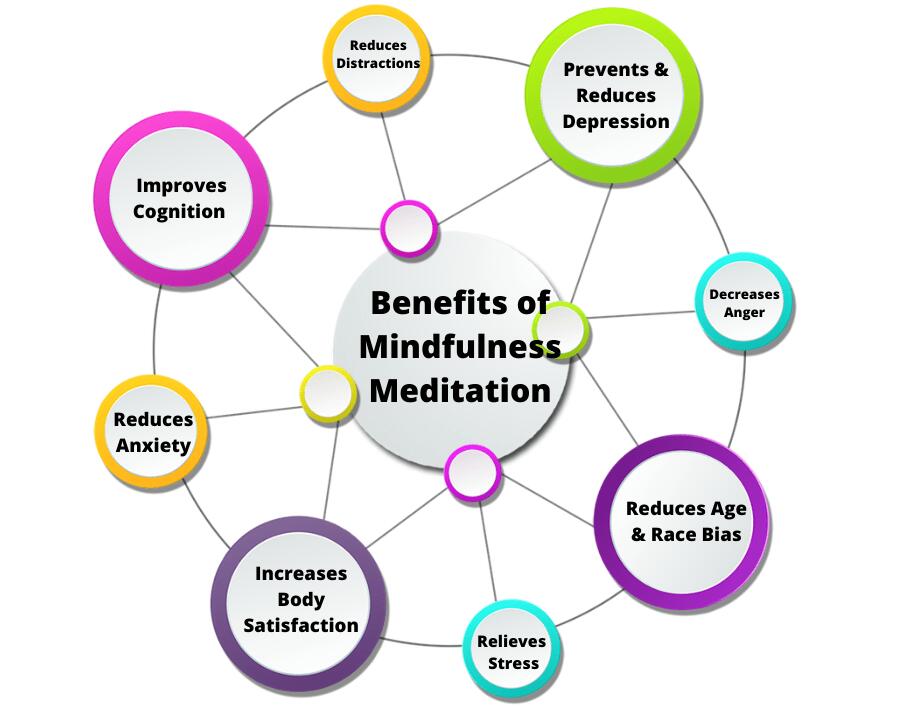
Recovery from addiction is more than just abstaining from substances—it’s about rebuilding a balanced life, restoring mental clarity, and learning how to respond to emotional triggers. One of the most transformative tools in this process is mindfulness in addiction recovery.
At Prayasrehab, Nasha Mukti Kendra in Dehradun, we’ve seen how mindfulness empowers individuals to reclaim control over their thoughts and behaviours, forming the foundation for long-term sobriety. As one of the best rehab centres committed to holistic healing, we integrate mindfulness practices into personalised treatment plans for those recovering from drug and alcohol dependence.
What is Mindfulness?
Mindfulness is the practice of bringing one’s full attention to the present moment, without judgment. It involves observing thoughts, emotions, and bodily sensations as they arise, rather than reacting automatically. In the context of recovery, mindfulness in addiction recovery allows individuals to understand their cravings, emotions, and relapse triggers.
By fostering awareness and acceptance, mindfulness encourages healthier choices and a greater sense of inner peace, essential qualities when navigating the complexities of addiction recovery.
The Science Behind Mindfulness in Recovery
Studies in neuroscience have shown that regular mindfulness practice can rewire the brain. Mindfulness strengthens areas responsible for self-regulation, decision-making, and emotional control—regions often compromised by substance abuse. Practising mindfulness in addiction recovery activates the prefrontal cortex while reducing activity in the amygdala (which is associated with stress and fear responses).
This neuroplasticity enables recovering individuals to form new habits, challenge automatic reactions, and make conscious, healthier choices.

How Mindfulness Helps During Addiction Recovery
1. Managing Cravings
One of the biggest challenges during recovery is dealing with cravings. Mindfulness in addiction recovery helps individuals become aware of these urges without feeling the need to act on them. Instead of resisting or suppressing cravings, mindfulness teaches people to observe them, acknowledging their presence and letting them pass like a wave.
This conscious awareness breaks the cycle of automatic behaviour and allows space for intentional responses rather than impulsive reactions.
2. Reducing Stress and Anxiety
Stress is a common relapse trigger. Mindfulness helps individuals calm their nervous system, lower cortisol levels, and respond to stressors in healthier ways. Techniques like mindful breathing, body scans, and meditation foster inner calm and reduce the emotional turbulence often experienced during early recovery.
At Prayasrehab, we incorporate these mindfulness practices into daily routines, making it easier for clients to maintain emotional balance even after they leave the best rehab centre environment.
3. Reconnecting with the Present
Addiction often leads to emotional numbing and disconnection from the present moment. People caught in the cycle of substance use tend to dwell on the past or fear the future. Practising mindfulness in addiction recovery helps individuals return to the now—whether it’s noticing the rhythm of their breath or appreciating the environment around them.
This reconnection with the present fosters gratitude, presence, and renewed joy in life’s simple experiences, mindfulness in addiction recovery.
4. Improving Emotional Regulation
Substance use can distort how individuals process emotions. In recovery, mindfulness offers a space where people can safely explore and regulate emotions like anger, sadness, or guilt. Instead of reacting impulsively, mindfulness in addiction recovery. Mindfulness encourages thoughtful reflection and emotional resilience.
This emotional clarity is one of the biggest benefits of mindfulness in addiction recovery, helping individuals cope with life’s ups and downs without turning to substances.
Mindfulness-Based Interventions in Rehab
Several therapy models combine traditional addiction treatment with mindfulness techniques. Some common approaches include:
-
Mindfulness-Based Relapse Prevention (MBRP): This program integrates cognitive behavioural strategies with mindfulness to help individuals manage cravings and high-risk situations.
-
Mindfulness-Based Stress Reduction (MBSR): Originally developed to treat chronic pain, MBSR is now widely used in addiction recovery to reduce stress and enhance self-awareness.
-
Yoga and Movement Therapy: These practices combine physical movement with mindful breathing, promoting harmony between mind and body.
All of these are part of the treatment options available at the best rehab centre, where Mindfulness in Addiction Recovery. holistic care is prioritised alongside medical detox and counselling.
Mindfulness in Daily Life
Building mindfulness isn’t limited to therapy sessions. Recovering Mindfulness In Addiction Recovery. Individuals are encouraged to bring mindfulness into daily routines:
-
Eating mindfully and savouring each bite
-
Journaling thoughts and feelings without judgment
-
Taking mindful walks and noticing the sounds, sights, and sensations
-
Engaging in creative activities like painting or music with full attention
These small, daily practices reinforce the core principles of mindfulness in addiction recovery, making the process sustainable and deeply personal.

Real-Life Success with Mindfulness
Many clients at Prayasrehab have shared how incorporating mindfulness into their recovery journey helped them gain clarity, reduce relapse, and find inner peace. One client shared: mindfulness in addiction recovery.
“Before mindfulness, I was reacting to everything. After a few weeks of practice, I started to pause, breathe, and choose how to respond. That pause saved me more times than I can count.”
This ability to pause, Mindfulness in Addiction Recovery, and reflect is one of the most powerful tools in recovery.
Conclusion
The importance of mindfulness in addiction recovery cannot be overstated. It is not just a relaxation technique—it’s a life-changing practice that helps individuals face their cravings, emotions, and challenges with greater clarity and calm. By Mindfulness In Addiction Recovery. integrating mindfulness into daily life, those in recovery develop the inner strength needed to maintain sobriety, avoid relapse, and cultivate emotional well-being.
At Prayasrehab, we believe in treating the whole person—mind, body, and spirit. As a trusted name among the best rehab centres, we include mindfulness practices as a core component of our recovery programs to help individuals achieve lasting transformation from the inside out.