Drug Detox Timeline: Understanding the Detox Timeline for Drug Addiction
The journey to recovery from drug addiction begins with a critical first step—detoxification. Detox is the process through which the body eliminates harmful substances, and understanding the drug detox timeline is essential for individuals and families beginning this journey.
At Prayas Sewa Samiti, one of the leading organisations providing addiction recovery services in India, the importance of a guided, medically supervised detox is emphasised as a foundation for long-term sobriety.
What is the Drug Detox Timeline?
The drug detox timeline refers to the sequence of physical and emotional symptoms that occur when a person stops using addictive substances. Though each timeline varies based on the type of drug, most detox phases follow a similar structure: initial withdrawal, peak symptoms, and gradual stabilisation.
Understanding this timeline helps remove fear and uncertainty—two common barriers to beginning treatment. It also provides insight into the importance of detox as a clinical, supervised process rather than a solo attempt at quitting.
Factors Affecting the Drug Detox Timeline
Before diving into specifics, it’s important to recognise the factors that influence the length and intensity of the drug detox timeline:
-
Type of drug used: Opioids, alcohol, benzodiazepines, and stimulants all have different withdrawal periods.
-
Duration and frequency of use: Long-term use usually leads to more severe and extended withdrawal symptoms.
-
Individual health: Pre-existing health conditions can influence detox response.
-
Method of intake: Whether a substance was smoked, injected, or swallowed can affect how the body processes withdrawal.
-
Polysubstance use: When multiple drugs have been used, detox can be more complicated.
Medical professionals at centres like Prayas Sewa Samiti assess these factors before creating personalised detox plans, ensuring the safety and comfort of each patient throughout the drug detox timeline.
Typical Stages of a Drug Detox Timeline
Though individual experiences vary, the general drug detox timeline can be broken down into stages:
1. First 6–12 Hours (Onset Phase)
For many substances, withdrawal symptoms can begin within just a few hours after the last dose. Common symptoms in this phase include anxiety, insomnia, sweating, and irritability. The person may still feel the urge to use, and this stage sets the tone for how the rest of the detox will proceed.
2. 1–3 Days (Peak Withdrawal Phase)
This is usually the most difficult phase in the drug detox timeline. Symptoms peak in intensity and may include nausea, tremors, hallucinations (for alcohol or benzodiazepines), and emotional instability. For opioid withdrawal, muscle aches, abdominal cramping, and vomiting are common. Constant medical supervision is essential during this stage.
3. 4–7 Days (Stabilization Phase)
Symptoms begin to ease, though fatigue, depression, and cravings may persist. The body is adjusting to functioning without substances, and psychological support becomes more central during this stage. Patients start to regain physical strength and mental clarity.
4. 1–4 Weeks (Extended Detox Phase)
In some cases, mild withdrawal symptoms—like sleep disturbances, mood swings, or low energy—can persist for several weeks. This phase in the drug detox timeline is often referred to as Post-Acute Withdrawal Syndrome (PAWS), particularly in long-term or heavy users.
Drug-Specific Detox Timelines
Here’s a closer look at how the drug detox timeline varies by substance:
-
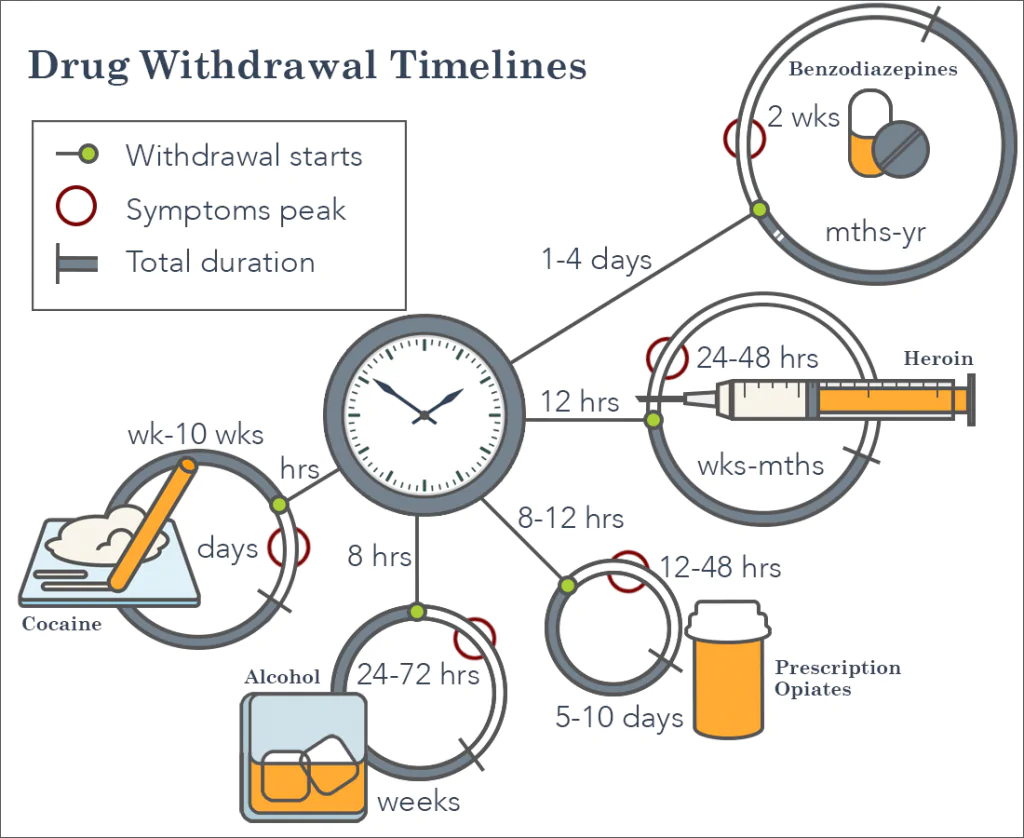
Alcohol: Withdrawal starts within 6–8 hours and peaks at 24–72 hours. Severe cases can involve seizures or delirium tremens.
-
Opioids (heroin, prescription painkillers): Symptoms begin within 12 hours, peak around 2–3 days, and subside after a week.
-
Benzodiazepines (Xanax, Valium): Symptoms can take 1–3 days to appear and may last several weeks. A tapered detox is often recommended.
-
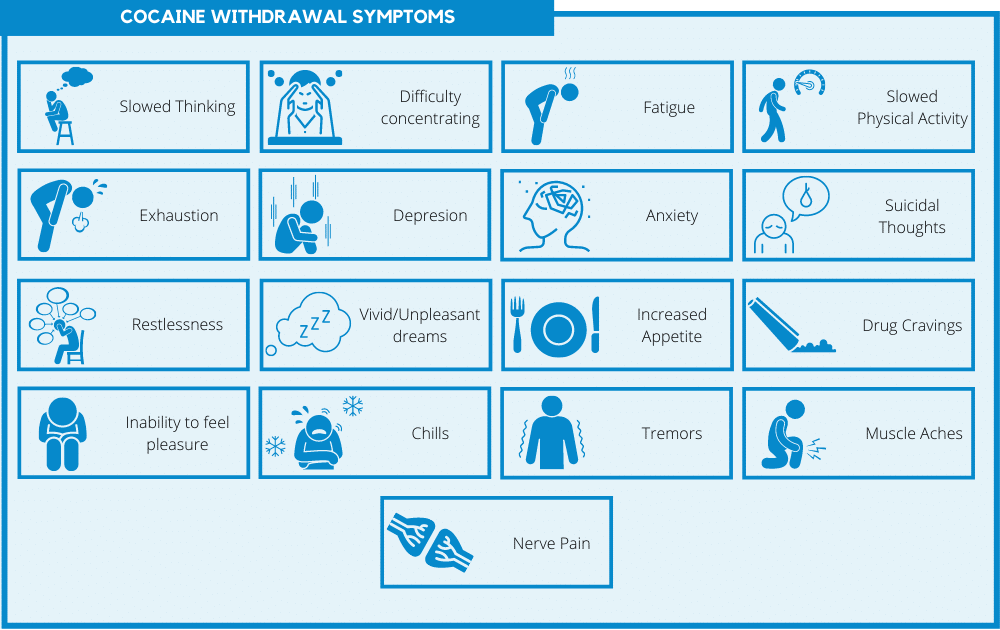
Stimulants (cocaine, methamphetamine): Physical withdrawal is milder, but emotional symptoms like depression and irritability can last for weeks.
At Prayas Sewa Samiti, detox is tailored to these timelines with 24/7 monitoring, nutritional support, and mental health care—all critical components for ensuring a safe and smooth process.
Why Medical Supervision Matters
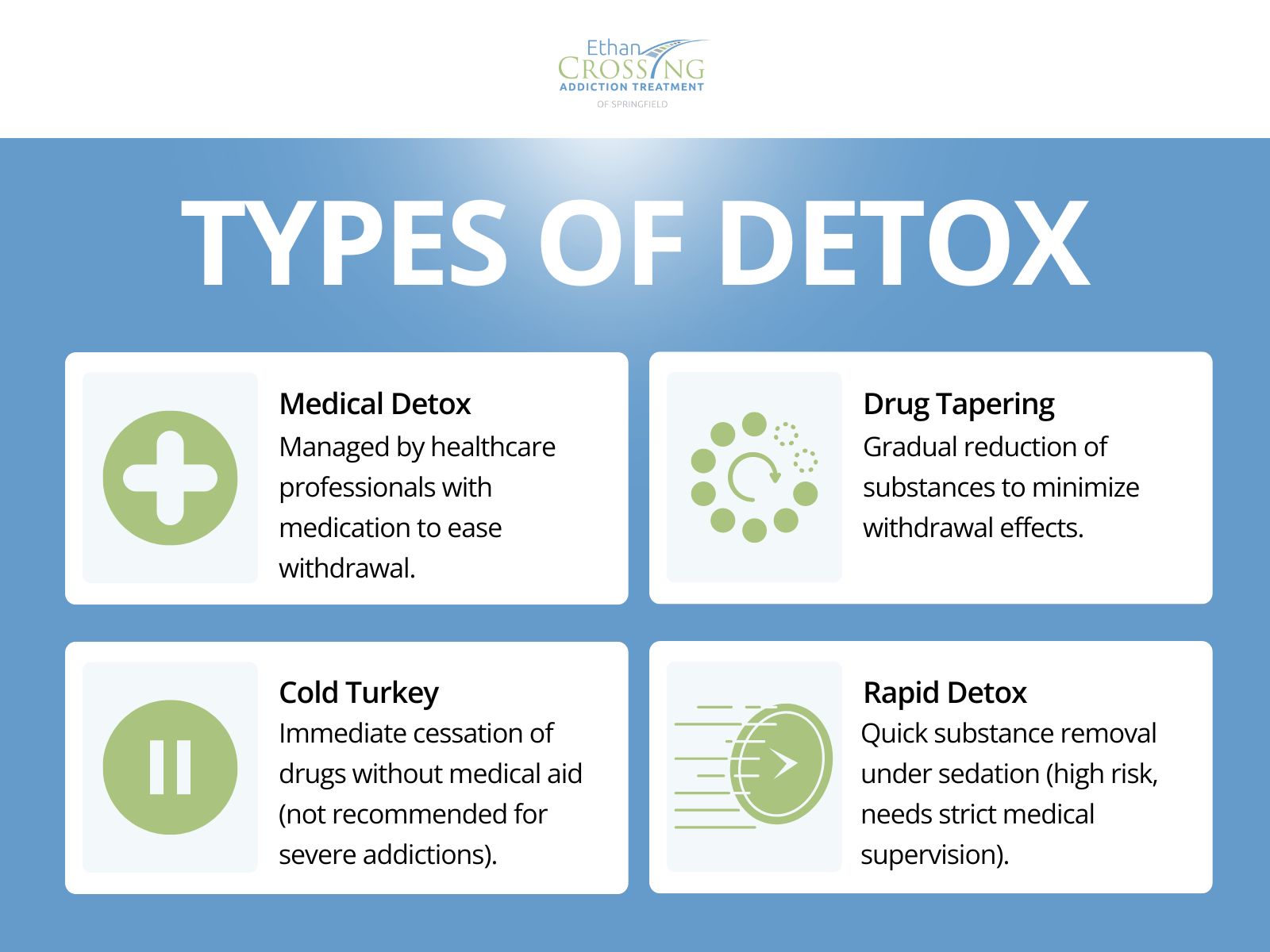
Attempting to detox without medical help can be dangerous. Withdrawal symptoms can sometimes lead to medical emergencies, especially with substances like alcohol or benzodiazepines. Supervised detox at a professional facility ensures that complications are addressed promptly and that patients have access to both physical and emotional support.
A structured drug detox timeline under supervision not only increases safety but also enhances long-term recovery outcomes. Facilities like Prayas Sewa Samiti provide both inpatient and outpatient detox services, designed to meet individual needs in a secure, stigma-free environment.
Transitioning from Detox to Recovery
Detox is just the beginning. Once the body is cleared of harmful substances, the emotional and psychological work begins. Counseling, group therapy, relapse prevention, and life skill development are all necessary to sustain recovery.
Patients are encouraged to transition seamlessly from detox to rehabilitation programs, where they can continue healing under professional guidance. Prayas Sewa Samiti offers these post-detox services as part of a comprehensive recovery model.
Conclusion
Understanding the drug detox timeline helps individuals prepare mentally and physically for one of the most challenging—but necessary—parts of the recovery journey. Detox is not just about cleansing the body; it’s about building a strong foundation for long-term sobriety, emotional healing, and personal growth.
As one of the leading rehab centres in Dehradun, Prayas Sewa Samiti offers medically supervised detox and holistic recovery programs tailored to each individual. With professional support, compassion, and structured care, the detox process becomes a launchpad toward a healthier, addiction-free life.