Building Habits After Addiction

Recovering from addiction is a significant victory, but the journey doesn’t end with sobriety. The next crucial step is building a life that supports long-term recovery. At Prayas Sewa Samiti, one of the trusted nasha mukti kendra in Dehradun, we understand that building habits after addiction is not just about staying sober—it’s about creating a fulfilling, purpose-driven lifestyle that minimises relapse risk and promotes personal growth.
Establishing new routines and healthy habits gives individuals structure, stability, and a renewed sense of self. Whether it’s maintaining physical health, improving emotional well-being, or strengthening relationships, habit formation plays a foundational role in sustaining recovery.
Why Habit Formation Matters in Addiction Recovery
Building habits after addiction helps create a framework where recovery becomes the default setting. Habits, once deeply embedded, can become automatic. This automation reduces decision fatigue, helps manage stress, and keeps individuals grounded during emotionally challenging situations.
Without replacing old patterns with positive ones, the void left by addiction can lead to boredom, depression, or temptation to relapse. Healthy habits give direction, foster productivity, and help form a new identity beyond addiction.
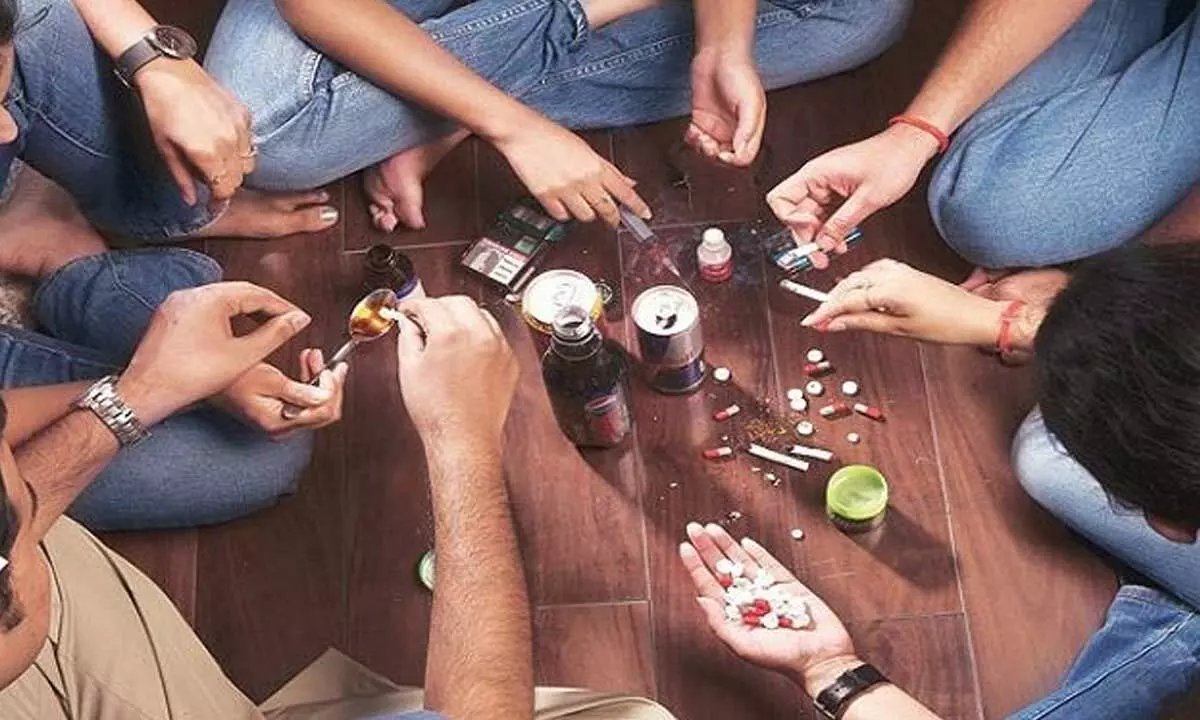
Key Areas to Focus on While Building Habits After Addiction
1. Physical Wellness Habits
Exercise and nutrition are among the most powerful tools for recovery. Daily physical activity helps release endorphins—natural mood elevators—while a nutritious diet stabilizes energy and supports brain function. These changes promote both physical and mental resilience.
-
Start with simple activities like walking or yoga.
-
Plan balanced meals or consult a dietitian.
-
Stay hydrated and maintain consistent sleep patterns.
2. Emotional Self-Regulation
People in recovery often struggle with emotional regulation. Practising mindfulness, journaling, or seeking therapy helps individuals process emotions in healthy ways.
-
Begin each day with gratitude journaling.
-
Set reminders to take mindful breaks.
-
Practice grounding techniques during moments of anxiety or cravings.
Building a Productive Routine
Developing a consistent daily routine is one of the most important elements of building habits after addiction. Routines reduce uncertainty and help you stay focused. Structure reduces idle time, which is often a trigger for relapse.
-
Wake up and sleep at the same time daily.
-
Set blocks of time for work, relaxation, and personal growth.
-
Avoid environments and activities that were part of the addictive lifestyle.
Building Habits After Addiction: A Roadmap to a Healthier Life
Recovery doesn’t end when the substance use stops—it truly begins when a person starts building habits after addiction that support a healthier, sustainable life. At Prayasrehab, we understand that life after addiction can feel overwhelming without structure, purpose, and healthy routines. This is why developing positive habits is a crucial part of long-term recovery.
Developing new habits isn’t just about replacing the old; it’s about laying the foundation for a new identity—one built on discipline, wellness, and emotional resilience. Whether it’s improving your sleep schedule, staying consistent with therapy, or reestablishing social connections, building habits after addiction is key to preventing relapse and reclaiming control over your life.
Why Habit Formation is Critical in Recovery
After addiction, the brain is in a vulnerable state. The dopamine reward system—heavily impacted by substance use—needs time to heal. In this transitional period, building habits after addiction creates a sense of normalcy and predictability, which is vital for mental and emotional balance.
New habits serve as anchors. They give structure to the day and reduce idle time, which is often a trigger for relapse. A person who has clear daily routines and goals is more likely to stay focused and less likely to return to old behaviors.
The Science Behind Habit Formation
Building habits after addiction works best when approached through consistent repetition and positive reinforcement. According to neuroscience, it takes an average of 66 days to form a new habit. This means that patience and persistence are key.
The brain forms habits through a cue–routine–reward loop:
-
Cue: A trigger that initiates the behaviour.
-
Routine: The behaviour itself.
-
Reward: The benefit gained, which reinforces the loop.
In addition, the cue-routine-reward loop gets hijacked by substances. In recovery, this same structure can be reprogrammed using healthy activities like exercise, journaling, meditation, or even volunteering.
Cultivating New Interests and Hobbies
Hobbies serve as healthy distractions and provide a sense of accomplishment. Whether it’s painting, gardening, volunteering, or learning a new skill, hobbies can replace time and energy once spent on addictive behaviours.
-
Explore creative outlets or join community classes.
-
Volunteer for causes that resonate with you.
-
Create a personal goal list and track progress.
Social Connections and Support
Isolation is dangerous in recovery. Building healthy relationships and staying connected is vital for emotional stability. Prioritize forming connections with people who support your sobriety.
-
Join local or online support groups.
-
Spend quality time with family or sober friends.
-
Attend regular counseling sessions or group therapy.

Setting Short- and Long-Term Goals
Building habits after addiction is not just about the present. It’s about looking forward to a healthier, purpose-driven life. Setting goals—big or small—can help build motivation and focus.
-
Use SMART (Specific, Measurable, Achievable, Relevant, Time-bound) goals.
-
Celebrate small victories, building habits after addiction to stay motivated.
-
Regularly reflect and adjust your goals as needed.
Dealing with Setbacks
Recovery is not linear. Mistakes may happen, and it’s essential to treat them as learning experiences rather than failures. Resilience comes from recognizing setbacks, reassessing habits, and staying committed.
-
Have a relapse prevention plan.
-
Reach out to mentors, therapists, or a support group.
-
Rebuild routines and identify what triggered the lapse.
Technology and Habit Tracking
Use digital tools like apps to track your new habits. This visual feedback can be very motivating and help reinforce your progress.
-
Try habit-tracking apps like Habitica, HabitBull, or Daylio.
-
Set up digital reminders for meditation, workouts, or hydration.
-
Use journals or planners to track your mood and activities.

Conclusion
Recovery is not just about stopping addiction. It is about learning new habits that help you live a happy, healthy life. At the best rehab centre in Dehradun, Prayasrehab helps you build these habits during treatment and aftercare. Simple things like following a daily routine, trying new hobbies, and learning to control your emotions can make your recovery strong. The best rehab centre in Dehradun stays with you at every step, so you never feel alone on your journey.