How Positive Affirmations Improve Mental Health
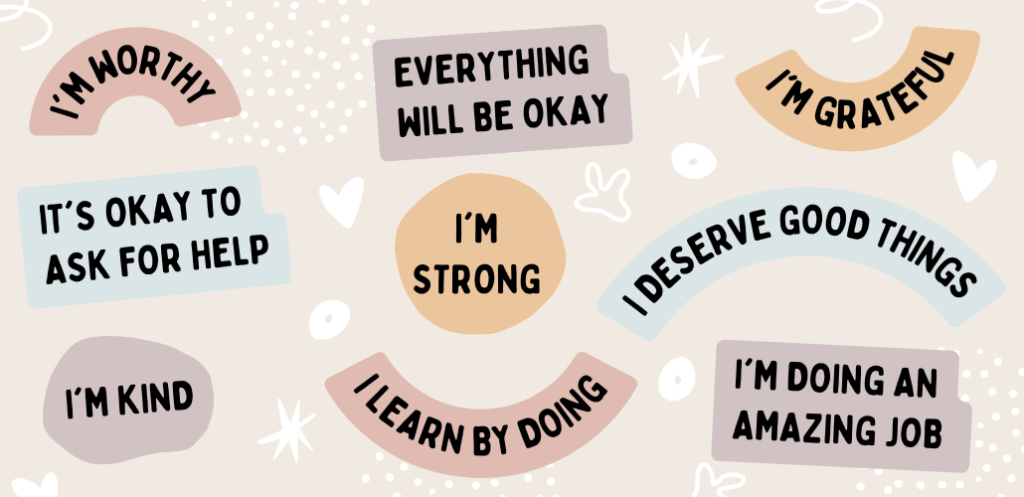
Mental health recovery requires not just treatment, but daily emotional nourishment. our team recognizes the value of a holistic approach. Tools like therapy, peer support, lifestyle changes—and especially positive affirmations—play a key role. In our programs, we use affirmations to build resilience, boost self-image, and improve overall well-being. Practices like journaling, meditation, and cognitive training are aligned with this philosophy.
Affirmations improve mental health by creating neural pathways that counter negative thought patterns. At Prayas Sewa Samiti, we’ve seen firsthand how consistent affirmation use can uplift individuals recovering from emotional and substance-related challenges.
What Are Positive Affirmations?
Before understanding how affirmations improve mental health, it’s important to grasp what they are. Positive affirmations are short, powerful statements that are repeated regularly to reinforce optimism, resilience, and self-worth. These statements are intentionally phrased in the present tense, creating a sense of immediacy and self-belief. Examples include:
-
“I am strong and in control of my thoughts.”
-
“I deserve peace and happiness.”
-
“I have the power to overcome challenges.”
These affirmations act as mental exercises that help reshape thought patterns. In many cases, individuals struggling with anxiety, depression, or addiction are caught in cycles of negative thinking and self-doubt. Repeating positive affirmations interrupts these cycles and conditions the brain to internalize healthier, more constructive beliefs.
Psychologically, this process draws on the principle of neuroplasticity—the brain’s ability to rewire itself based on repeated experiences. According to Psychology Today, affirmations help reduce stress, improve focus, and increase feelings of hope, especially when paired with mindfulness or therapy.
Over time, the regular use of affirmations can lead to improved emotional regulation, higher self-esteem, and a more positive outlook on life. This is where affirmations improve mental health in significant, lasting ways—by reinforcing belief in oneself, one day at a time.
How Affirmations Improve Mental Health: A Psychological Perspective
When it comes to understanding how affirmations improve mental health, science provides valuable insights. Research in cognitive-behavioral therapy (CBT) suggests that repeated self-affirming language can rewire the brain. This cognitive restructuring weakens the impact of harmful, habitual thought patterns and boosts self-efficacy. People struggling with depression, anxiety, or substance dependency benefit greatly from this shift in mindset.
Repeated use of affirmations has shown improvement in emotional regulation, impulse control, and mood stabilization. This is why many rehabilitation and mental wellness programs incorporate them. Simply put, affirmations improve mental health by enhancing the mind’s natural ability to heal.
The Connection Between Affirmations and Recovery
In recovery—whether from trauma, stress, or substance use—self-talk plays a crucial role in shaping emotional resilience and self-perception. Our internal dialogue can either hinder or help the healing process. Negative self-talk often reinforces feelings of shame, guilt, fear, and unworthiness, which are common emotional barriers in recovery. Affirmations, on the other hand, are powerful tools that can retrain the mind, promote positive thinking, and restore a sense of control and hope.
At PRAYAS SEWA SAMITI, affirmations are integrated into both individual and group therapy sessions to foster emotional balance and personal empowerment. We encourage clients to craft custom affirmations that reflect their unique healing journey and evolving sense of self. Some powerful examples include:
-
“Every day, I get stronger and healthier.”
-
“My past does not define me.”
-
“I am proud of how far I’ve come.”
-
“I deserve peace, joy, and recovery.”
When practiced consistently—whether aloud, in writing, or silently—these affirmations become embedded in the subconscious. Over time, they help individuals face daily stressors with greater confidence and clarity, reinforcing a growth mindset and resilience.
In fact, research shows that self-affirmation practices can reduce stress, improve problem-solving, and promote positive behaviour change, all of which are crucial components in long-term recovery.
By incorporating affirmations into therapy, PRAYAS SEWA SAMITI helps individuals rewrite their internal narrative—turning pain into power and fear into self-belief.
How to Practice Positive Affirmations Daily
To experience how affirmations improve mental health, consistency is key. Here’s a simple daily routine:
-
Morning Routine: Start the day by repeating 3–5 affirmations in front of a mirror.
-
Writing Practice: Write down positive statements in a journal each night.
-
Mindfulness Integration: Combine affirmations with breathing exercises or meditation.
-
Visual Reminders: Place sticky notes with affirmations around your living space.
-
Digital Tools: Use affirmation apps that send reminders throughout the day.
These methods amplify the emotional impact of affirmations, reinforcing a mindset that supports healing and growth.
Affirmations for Different Mental Health Goals
Here are examples of how affirmations improve mental health across various goals:
-
For Anxiety: “I release what I cannot control.”
-
For Depression: “My life has purpose and value.”
-
For Addiction Recovery: “I am free from harmful habits.”
-
For Self-Esteem: “I am worthy of love and respect.”
-
For Resilience: “I rise after every fall.”
By tailoring affirmations to personal needs, their effectiveness increases, supporting deeper mental and emotional alignment.

Real-Life Impact of Affirmations in Recovery
Clients at PRAYAS SEWA SAMITI have shared inspiring stories of transformation. One recovering client explained, “Affirmations helped me silence the inner critic. They gave me a new language for self-worth.” From rebuilding trust in oneself to finding strength during setbacks, affirmations improve mental health in tangible, meaningful ways.
Even in clinical settings, therapists note that clients who use affirmations regularly show faster improvement in therapy outcomes. Emotional stability, focus, and goal-setting also improve significantly.
Conclusion
Affirmations are more than just words—they are tools of mental empowerment. Used with intention, they foster healing, rebuild self-worth, and guide individuals through the toughest phases of recovery. With regular practice, affirmations improve mental health by shaping a narrative of hope, strength, and transformation.
If you’re seeking a structured, compassionate path to healing, PRAYAS SEWA SAMITI, the best deaddiction centre in Dehradun, integrates affirmations with professional care to support full-spectrum mental health recovery.