Connection Between Mental Illness And Addiction
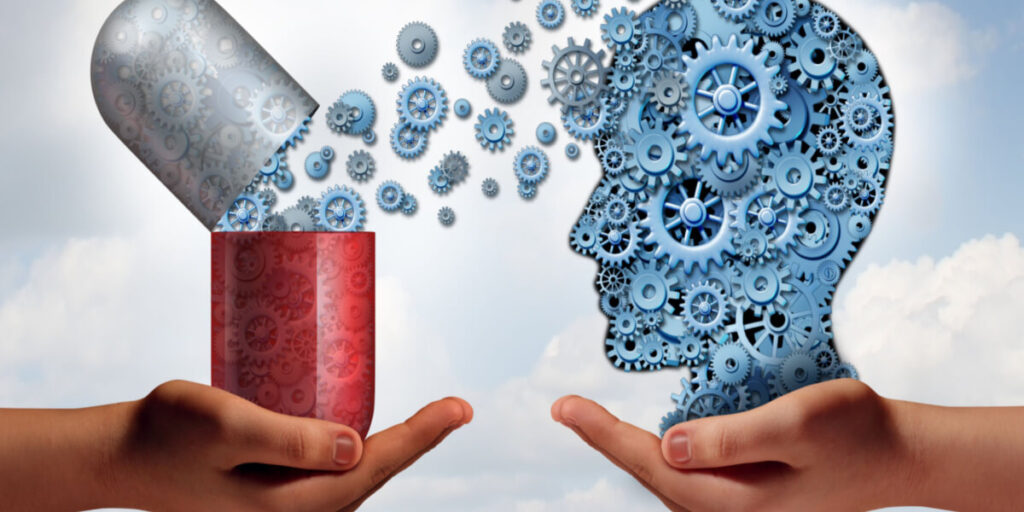
Mental health and addiction are two deeply intertwined issues that affect millions across the globe. When these challenges occur together, they are known as co-occurring disorders or dual diagnosis.
At Prayas Sewa Samiti, we recognize the powerful and often destructive connection between mental illness and addiction, and we treat both with equal importance. As a trusted name among the best rehab centres, we’ve seen firsthand how integrated treatment for mental health and substance use can transform lives.
What Is the Connection Between Mental Illness and Addiction?
The relationship between mental illness and addiction is complex and bidirectional. Mental health disorders can lead individuals to use substances as a way to self-medicate, while prolonged substance abuse can contribute to the development or worsening of mental health conditions. This cycle often becomes self-perpetuating, making it harder for individuals to break free without professional help.
For example, someone struggling with depression may turn to alcohol or drugs to numb their emotional pain. Over time, the substance use not only fails to address the root cause but worsens the symptoms of depression—creating a toxic loop that traps the individual in both conditions.
Common Mental Illnesses Linked to Addiction
Many forms of mental illness are frequently associated with substance abuse. Some of the most common include:
-
Depression: Often linked with alcohol, opioids, or sedatives.
-
Anxiety Disorders: Individuals may misuse benzodiazepines or alcohol to calm anxious thoughts.
-
Bipolar Disorder: Those with extreme mood swings are more likely to abuse stimulants or depressants during highs and lows.
-
PTSD (Post-Traumatic Stress Disorder): Veterans, abuse survivors, and trauma victims often turn to drugs or alcohol for temporary relief.
-
Schizophrenia: Substance use, especially cannabis or stimulants, may exacerbate psychotic symptoms.
All of these conditions can make addiction more severe, and vice versa. That’s why addressing mental illness and addiction together is essential for effective recovery.

Why Dual Diagnosis Requires Specialized Treatment
Treating addiction without addressing the underlying mental illness often leads to relapse. Similarly, treating mental illness without considering substance abuse can result in incomplete or ineffective care. Dual diagnosis treatment is built around the understanding that mental illness and addiction are not separate issues—they are interlinked and must be treated as such.
At Prayasrehab, we offer integrated treatment programs that include:
-
Psychiatric evaluation and diagnosis
-
Medication management
-
Cognitive Behavioral Therapy (CBT)
-
Dialectical Behavior Therapy (DBT)
-
Trauma-informed care
-
Individual and group therapy sessions
This approach ensures that both aspects of a person’s condition are addressed simultaneously, increasing the chances of long-term recovery.
How Substance Abuse Affects Mental Health
Substances alter brain chemistry, often impacting mood, perception, and cognitive function. Over time, drug or alcohol abuse can cause:
-
Increased symptoms of depression and anxiety
-
Impaired judgment and decision-making
-
Sleep disorders
-
Paranoia or psychosis
-
Emotional instability
When these symptoms appear, it can be difficult to determine whether the individual is experiencing a mental illness or a side effect of substance use. This is why professional assessment is critical in identifying the true nature of mental illness and addiction.
The Importance of Early Intervention
One of the most effective ways to break the cycle of mental illness and addiction is early intervention. Recognizing the signs and seeking help promptly can prevent the conditions from worsening. Warning signs of co-occurring disorders include:
-
Sudden mood changes
-
Withdrawal from family and friends
-
Loss of interest in previously enjoyed activities
-
Difficulty concentrating
-
Increased use of drugs or alcohol
-
Risky or impulsive behavior
At Prayasrehab, we encourage families and loved ones to stay vigilant and seek professional help when these symptoms appear.
How Therapy Helps in Co-Occurring Disorders
Therapy plays a vital role in helping individuals understand their mental health, substance use patterns, and the ways the two are connected. Mental illness and addiction can feed off each other, but therapy breaks this cycle by offering tools such as:
-
Identifying triggers and learning coping skills
-
Replacing self-destructive behaviors with healthier alternatives
-
Building a support system
-
Learning to express emotions in a safe and constructive way
-
Improving communication skills and self-awareness
Therapeutic approaches like CBT and DBT are especially useful in dual diagnosis treatment, as they target both thought patterns and emotional responses.

Medication and Holistic Care
In some cases, medication may be prescribed to stabilize mood, reduce anxiety, or manage symptoms of psychosis. When combined with therapy and lifestyle changes, medication can be a powerful part of recovery. However, it must always be used under strict medical supervision, particularly when addiction is involved.
At the best rehab centre, like Prayasrehab, we also incorporate holistic therapies such as yoga, meditation, and nutritional counseling to support overall well-being during recovery from mental illness and addiction.
Recovery Is Possible
Though dual diagnosis may feel overwhelming, recovery is not only possible—it’s absolutely achievable with the right care. When mental illness and addiction are treated together, individuals have a much greater chance of experiencing real, lasting transformation.
One client at Prayasrehab shared:
“I had battled depression and alcoholism for years. It wasn’t until both were treated together that I finally felt like I could heal. Prayasrehab helped me understand that one was feeding the other, and I learned how to take back control of my life.”

Conclusion
The connection between mental illness and addiction is a critical factor in understanding why some individuals struggle to maintain sobriety. Dual diagnosis treatment offers a path to healing that acknowledges both the emotional and physical aspects of addiction. At Praya nasha mukti kendra, we specialize in addressing these interconnected challenges through integrated therapy, personalized care, and compassionate support. As one of the best rehab centres, we are committed to helping each client overcome dual struggles and embrace a brighter, healthier future.