Stress Triggers In Addiction

Stress is an unavoidable part of life, but for many individuals, chronic stress can do more than cause emotional strain—it can be a powerful trigger for addiction. Whether it’s alcohol, drugs, or other addictive behaviors, stress often plays a major role in initiating or worsening substance use.
At Prayasrehab Dehradun, we emphasize understanding the link between stress triggers in addiction to help people build effective coping strategies. This knowledge is crucial in achieving lasting recovery, especially when guided by the right support from the best rehab centre.
Understanding the Connection Between Stress and Addiction
Stress is the body’s natural response to threats, whether physical, emotional, or psychological. When someone experiences repeated stress, the body produces higher levels of cortisol—a hormone responsible for the “fight or flight” response. Over time, this can lead to anxiety, depression, sleep disturbances, and a strong desire to seek relief.
This is where stress triggers in addiction become prominent. Many individuals turn to substances such as alcohol, nicotine, or opioids as a way to numb their stress. What starts as temporary relief can quickly spiral into dependence. When the brain begins to associate stress relief with substance use, a dangerous cycle of addiction can take root.
How Stress Changes Brain Function
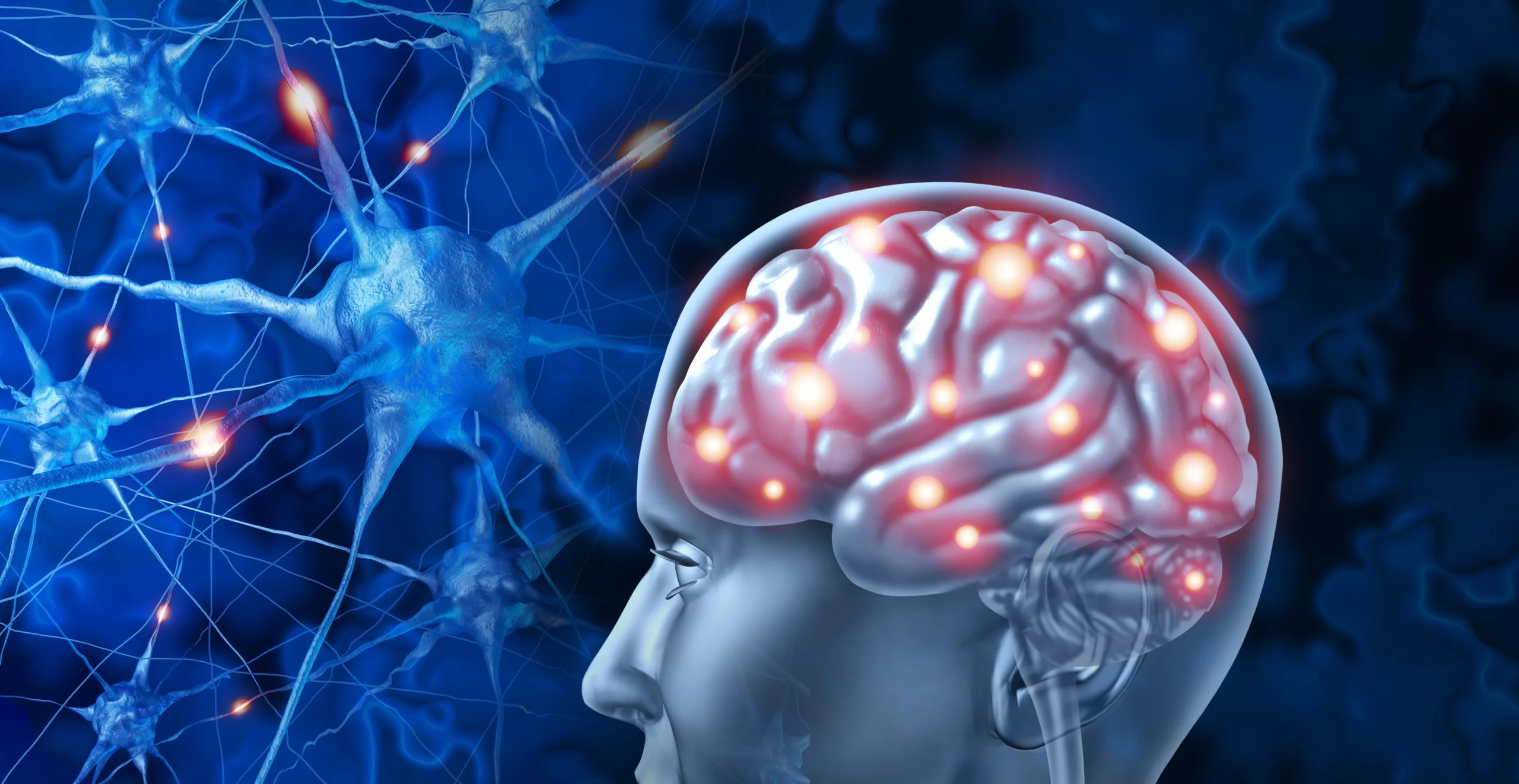
Prolonged stress impacts brain chemistry, especially in regions involved in emotion regulation and decision-making. High levels of cortisol reduce the function of the prefrontal cortex (responsible for rational thinking) and enhance activity in the amygdala (which controls fear and anxiety).
These changes make individuals more vulnerable to emotional reactivity and impulsive behavior—two key factors that explain why stress triggers in addiction are so common. Under stress, the brain becomes primed to seek comfort, even if it means engaging in destructive behaviors.
Common Stress Triggers in Addiction
1. Financial Pressure:
Money-related stress can make people feel hopeless, leading them to self-medicate with substances.
2. Relationship Issues:
Breakups, family conflicts, or emotional neglect are frequent stress triggers in addiction, especially for individuals with underlying emotional wounds.
3. Workload and Career Stress:
Deadlines, job insecurity, or burnout can push people toward addictive behaviors as a coping mechanism.
4. Trauma and PTSD:
Past trauma, especially unaddressed childhood abuse or violence, is one of the most significant stress triggers in addiction.
5. Loneliness and Social Isolation:
Lack of a supportive network can cause deep emotional distress, prompting people to seek artificial comfort through substance use.
How Stress Triggers Relapse
Even after completing a rehab program, stress triggers in addiction can cause a person to relapse if coping mechanisms are not well established. That’s why relapse prevention must include stress management as a core component. Many recovering individuals relapse not because they want to use again, but because they don’t yet have healthier tools to handle pressure.

Coping Strategies to Combat Stress Triggers in Addiction
1. Mindfulness and Meditation
Practicing mindfulness helps individuals stay present and recognize their emotional state without judgment. Regular meditation reduces stress levels and increases awareness of stress triggers in addiction before they lead to substance use.
2. Physical Exercise
Exercise releases endorphins—natural mood lifters that counteract the negative effects of stress. Activities like walking, yoga, or swimming also reduce cortisol and build physical resilience.
3. Cognitive Behavioral Therapy (CBT)
CBT teaches individuals to identify negative thought patterns and replace them with healthier perspectives. It’s especially effective in dealing with stress triggers in addiction, allowing people to pause, reflect, and respond rationally instead of impulsively.
4. Building a Support System
Support groups, close friends, family, and counselors form a crucial safety net. Talking about your struggles can drastically reduce stress and prevent isolation from becoming a trigger.
5. Healthy Routines and Sleep Hygiene
Structured daily routines create a sense of control, while proper sleep supports emotional balance. A lack of sleep increases cortisol levels, which can intensify stress triggers in addiction.
6. Engaging in Hobbies and Creative Outlets
Art, music, journaling, or any form of creative expression provides a therapeutic outlet for bottled-up emotions and helps redirect focus from cravings.
7. Professional Help at a Rehab Centre
Sometimes, self-help isn’t enough. The best rehab centre offers specialized programs that include stress management techniques, individual therapy, and group counseling. At Prayasrehab, we use a personalized approach to help each client identify their unique stress triggers and develop healthy ways to manage them.
The Importance of Identifying Stress Triggers Early
Early identification of stress triggers in addiction can make a huge difference in recovery outcomes. When people learn to recognize the warning signs—like changes in sleep, irritability, or craving—they can take preventive action before falling into old habits.
This proactive mindset, combined with practical coping tools, empowers individuals to navigate life’s challenges without depending on substances.
Why Choose a Rehab Centre Focused on Stress Management?
The best rehab centre not only treats the addiction itself but also addresses the root causes—especially stress. At Prayasrehab, our holistic recovery programs incorporate stress-reduction techniques, psychotherapy, nutritional support, and recreational therapy. This comprehensive care ensures that clients leave not just sober, but resilient and emotionally balanced.
Conclusion
Understanding the role of stress triggers in addiction is essential for both prevention and recovery. Stress doesn’t just affect our mood; it changes how the brain works and how we cope with life’s difficulties. Without healthy coping strategies, stress can open the door to addiction and relapse.
At Prayasrehab, we help individuals identify their unique stress triggers and equip them with practical tools to manage them. As one of the best rehab centres in Dehradun, we believe that a strong recovery begins with understanding—and overcoming—the stressors that once led to addiction.