Social Media And Youth Mental Health.
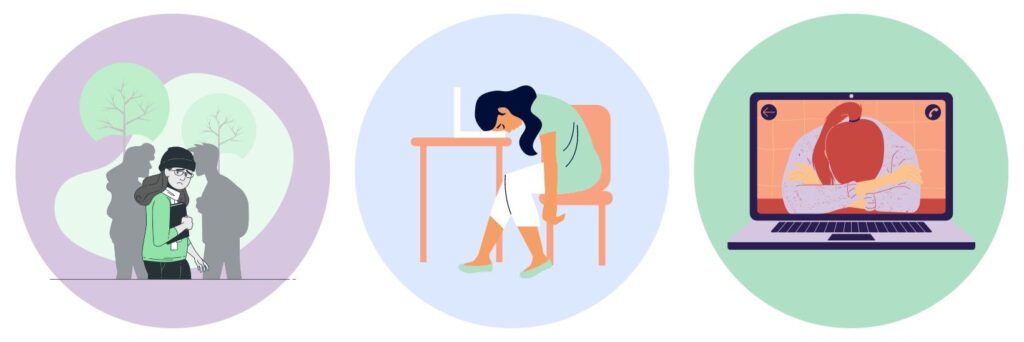
In the digital era, social media is not just a pastime—it’s deeply woven into the lives of young people. Platforms like Instagram, Snapchat, TikTok, and X (formerly Twitter) are where youth connect, communicate, and curate their identities. However, this constant exposure is leading to increasing concerns about social media and youth mental health. At Prayasrehab, we have seen how excessive digital interaction can contribute to anxiety, depression, and behavioural issues among adolescents.
The Double-Edged Nature of Social Media
Social media can be a powerful tool for creativity, communication, and learning. But for many young users, it often becomes a source of emotional distress. The pressure to appear perfect online, the constant stream of curated content, and peer validation through likes and shares have significant psychological impacts.
Core issues linked to social media and youth mental health include:
-
FOMO (Fear of Missing Out): Watching peers engage in seemingly exciting experiences can lead to feelings of inadequacy.
-
Body Image Anxiety: Exposure to unrealistic body standards often triggers low self-esteem and body dissatisfaction.
-
Cyberbullying: Online harassment remains a serious issue, often going unnoticed by parents and educators.
-
Addiction: Dopamine-driven engagement loops make it hard for youth to disconnect, leading to emotional burnout.
How the Brain Responds to Digital Overload
Social media is designed to be addictive—and it’s particularly impactful on young, impressionable minds. Platforms use algorithms to keep users scrolling, with features like notifications, reels, likes, and trending content triggering the brain’s dopamine-driven reward system. For teens and young adults—whose brains are still developing, especially in areas linked to self-control, emotion regulation, and decision-making—this can lead to harmful consequences over time.
The constant exposure to curated content and digital stimuli can:
-
Disrupt sleep cycles, especially when screens are used late into the night.
-
Lower attention spans make it harder to concentrate in school or on tasks that require sustained focus.
-
Increase cortisol levels, the stress hormone, due to online comparisons, cyberbullying, or content overload.
-
Hinders emotional regulation, reducing the ability to process real-world interactions and face-to-face social challenges.
These effects contribute directly to the deterioration of social media and youth mental health, making it harder for young individuals to engage meaningfully with their surroundings. They may develop anxiety, depression, or low self-esteem from constantly comparing their lives to filtered online personas.
In fact, studies like those referenced by the American Psychological Association (APA) confirm a strong link between excessive social media use and declining adolescent mental health. Awareness and moderation, coupled with open conversations about digital well-being, are key to protecting our youth in the digital age.

Why Are Teenagers So Vulnerable?
Teenagers are at a stage where identity formation and self-worth are fragile. Their emotional dependency on peer approval means that a single negative comment or lack of engagement on a post can impact their confidence. This vulnerability is what makes the link between social media and youth mental health especially important to address.
Are There Any Benefits?
Yes, there are several significant benefits of social media for youth mental health when used responsibly. Social media platforms can foster supportive communities, provide access to valuable mental health resources, and promote self-expression and belonging. However, these benefits are most effective when usage is mindful and balanced.
Building Supportive Communities
Social media enables young people to connect with others who share similar experiences, interests, or challenges. This is especially valuable for those who may feel isolated or marginalised in their offline lives. Platforms like Reddit, Instagram, and Facebook host groups dedicated to mental health, anxiety, body positivity, and more. These virtual communities offer a sense of belonging, validation, and emotional support, helping users feel seen and understood. For youth struggling with depression, anxiety, or identity issues, finding others who relate to their experiences can be therapeutic and reduce feelings of loneliness. Studies show that a majority of adolescents report feeling more accepted and supported through social media, which can positively impact their mental well-being
Access to Mental Health Information and Education
Social media has democratized access to mental health knowledge and resources. Licensed therapists, psychologists, and mental health advocates regularly share coping strategies, self-care tips, and educational content on platforms like TikTok, YouTube, and X. Young people can learn practical skills for managing stress, understanding their emotions, and developing self-awareness. This is particularly beneficial for those who may not have access to professional therapy or mental health services. Hashtags like #MentalHealthAwareness and #SelfCare have become rallying points for advocacy, encouraging millions to prioritise their well-being and seek help when needed. The availability of educational content empowers youth to take proactive steps toward mental wellness.
Promoting Self-Expression and Positive Movements
Social media provides a creative outlet for self-expression, allowing young people to share their thoughts, art, and experiences. This can boost self-esteem and foster a sense of identity. Movements like body positivity and self-love have gained momentum online, challenging unrealistic beauty standards and encouraging users to embrace their natural selves. Influencers and activists play a key role in promoting these messages, helping young people counteract the negative effects of image-based comparisons. By participating in these positive movements, youth can develop a healthier self-image and build resilience against societal pressures. However, it is important to maintain boundaries and avoid compulsive usage to ensure these benefits are not overshadowed by potential risks.
Managing Social Media for Better Mental Health
Helping youth manage their screen time and online behavior can greatly improve social media and youth mental health. Here are some simple steps:
-
Set Clear Boundaries: Limit daily screen time and encourage tech-free hours.
-
Promote Offline Activities: Involve youth in physical, creative, or group activities.
-
Monitor and Guide: Encourage conversations about what they see online and how it makes them feel.
-
Teach Self-Worth Beyond Social Media: Reinforce that their value isn’t tied to online approval.
-
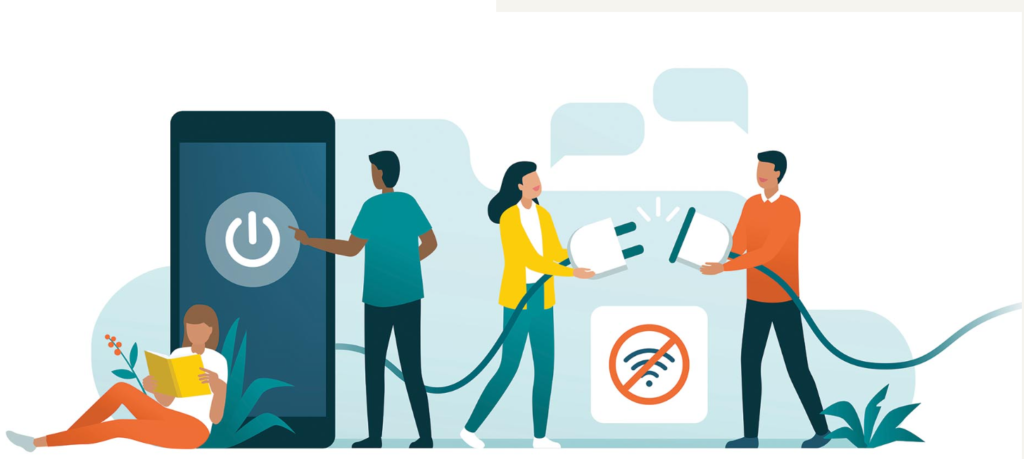
Digital Detox Days: Periodic breaks from all screens help reset their emotional balance.
When to Seek Help
If your child or teen is showing signs of social media and youth mental health issues of digital addiction—such as withdrawal, irritability, or disinterest in real-life events—it may be time to consult a mental health professional. Counselling and behavioural therapy are effective ways to restore balance and rebuild healthy habits.
Conclusion
The impact of social media and youth mental health is growing rapidly and must not be ignored. While social media can offer connection and inspiration, it also poses serious risks when left unchecked. At Prayasrehab, we recognise these dangers and provide specialised therapy programs tailored to digital stress and behavioural issues. If your loved one is struggling with screen dependency or emotional challenges linked to online life, we’re here to help. As the best rehab centre in Dehradun for youth wellness, our goal is to guide every young mind toward balance, confidence, and a healthier future.