Family Roles in Recovery: How Family Roles Change During Addiction Recovery

Family roles in recovery are how family members support a loved one’s addiction healing. They provide emotional backing, set boundaries, and encourage sobriety daily. Healthy family involvement boosts long-term success. Prayas Sewa Samiti, Dehradun, trains families to actively aid recovery. Join our family-inclusive rehab for lasting healing.
Understanding Family Roles Before Recovery
Before recovery begins, families often settle into dysfunctional roles as a response to addiction. These roles are typically unconscious but serve to maintain balance or avoid confrontation. Common examples include the “enabler” who shields the addicted person from consequences, the “hero” who tries to cover up the family’s shame, or the “scapegoat” who diverts attention from the real issue.
These roles may offer temporary relief, but they also perpetuate addiction. By protecting the addicted individual from consequences, the enabler, for example, may unintentionally delay their decision to seek help. Similarly, the “lost child” or the silent member of the family may feel isolated and emotionally neglected.
Recognizing and addressing these patterns is the first step toward creating healthier family roles in recovery. It’s not about blaming anyone—it’s about shifting toward new dynamics that support long-term healing.
The Transition Phase: Early Recovery
In early recovery, families often find themselves in unfamiliar territory. The individual who was once consumed by addiction is now trying to rejoin family life, which can be both hopeful and challenging. During this stage, confusion and emotional tension are common.
As family roles in recovery start to change, the former “enabler” might struggle to set boundaries, fearing relapse or conflict. The “hero” may feel redundant or directionless without the crisis to manage. On the other hand, the recovering individual might feel overwhelmed by guilt or expectations.
At this point, family therapy becomes critical. Organizations like Prayas Sewa Samiti often integrate family counselling into treatment plans, encouraging open communication and redefining roles that were shaped by addiction. Rather than falling back into old patterns, families are guided toward roles rooted in honesty, empathy, and accountability.
Long-Term Recovery and Role Stabilisation
Over time, with consistent support and commitment to the process, families begin to find balance in their new roles. These family roles in recovery are not static—they evolve based on ongoing interactions, challenges, and personal growth.
For example, the former “scapegoat” may emerge as a mediator or emotional anchor. The “enabler” might transform into a boundary-setter who empowers rather than protects. Even the addicted individual, once the focus of dysfunction, can take on a leadership role in promoting healing and unity within the family.
Long-term recovery allows for trust to be rebuilt and emotional wounds to heal. Family roles in recovery is to give proper guidance, families develop healthier communication styles, mutual respect, and a shared vision of recovery as a collaborative effort. At Prayas Sewa Samiti, such long-term changes are encouraged through follow-up programs, family workshops, and support groups.
The Importance of Communication
One of the most crucial aspects of shifting family roles in recovery is developing effective communication. Addiction often leads to secrecy, blame, and avoidance. In recovery, these habits must be replaced with active listening, vulnerability, and constructive feedback.
Families must learn how to express concerns without judgment, how to validate each other’s emotions, and how to establish safe spaces for conversation. This does not happen overnight. It requires patience, willingness, and often professional support.
Rehab programs like those at Prayas Sewa Samiti help families create new dialogue frameworks—ones where mistakes are acknowledged without shame, where forgiveness is possible, and where growth is celebrated.
Setting Healthy Boundaries
Boundary-setting is a cornerstone of long-term success in addiction recovery. Families that once blurred lines between love and control must now define clear, respectful boundaries. These include emotional, financial, and behavioural limits.
Without healthy boundaries, old roles resurface—enabling may return, or resentment may build. Redefining family roles in recovery means recognising where one’s responsibility ends and another’s begins. This prevents codependency and promotes individual accountability.
Prayas Sewa Samiti coaches families on how to set and maintain these boundaries, ensuring that every member feels safe, heard, and respected.

Children and Siblings in Recovery Dynamics
Addiction within the family doesn’t only affect adults—it deeply impacts children and siblings. They may feel forgotten, afraid, or responsible for the addicted member’s well-being. As recovery unfolds, it is essential to acknowledge their experiences and reassign healthier roles.
Children may need reassurance that the family is healing. Siblings might benefit from open conversations about what has changed and what their role is moving forward. In some cases, these younger members emerge with increased empathy and maturity—but only if supported properly.
Creating supportive family roles in recovery for younger members helps ensure that the cycle of addiction does not continue into future generations.
Rebuilding Trust and Reestablishing Bonds
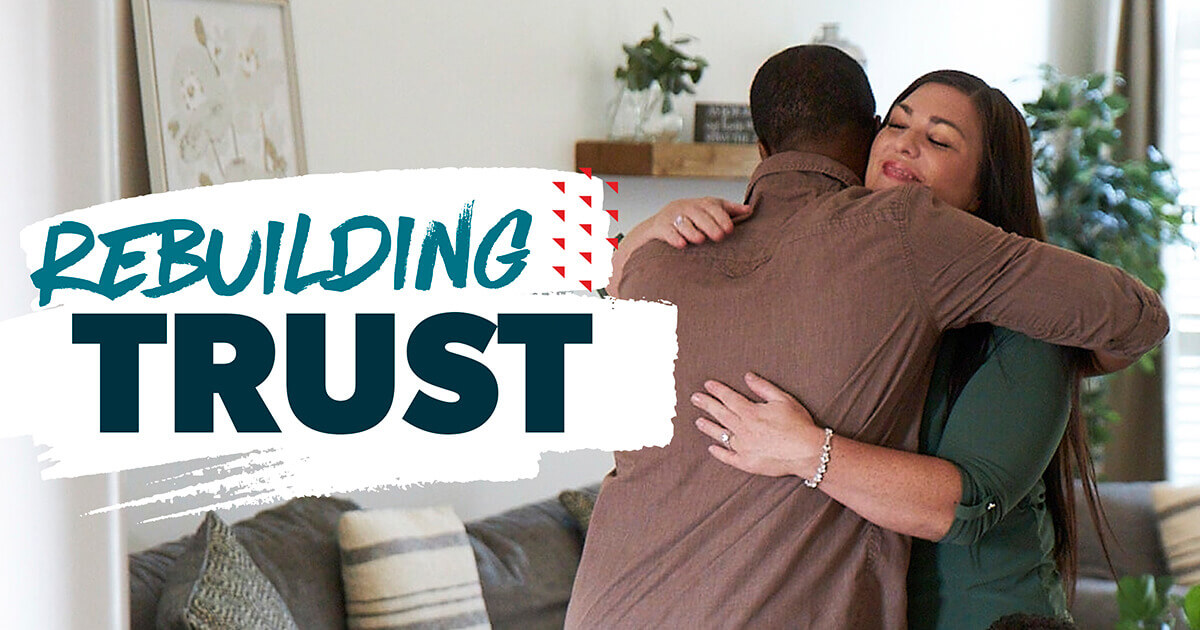
Trust is often the first casualty of addiction and the last to be restored. Family members may struggle with forgiving broken promises or past betrayals. Rebuilding trust takes consistent behaviour, time, and emotional transparency.
Family roles in recovery must include space for rebuilding these bonds—space to apologise, forgive, and start fresh. Recovery is a series of small, intentional steps. Families that walk this path together are more likely to emerge stronger and more connected.
Organisations like Prayas Sewa Samiti emphasise that healing is not about forgetting the past, but about using it as a foundation for deeper understanding and growth.
Conclusion
The journey through addiction recovery reshapes every relationship within a family. From chaotic coping mechanisms to conscious collaboration, the shift in family roles in recovery is both profound and necessary. These evolving roles are not just about adjusting to sobriety—they are about redefining what it means to be a supportive, functional, and resilient family.
Recognised as the Best Rehab center in Dehradun, Prayas Sewa Samiti continues to lead families through this transformation with compassion, skill, and unwavering support. Through family-inclusive therapy, structured programs, and long-term guidance, they ensure that recovery becomes not just an individual milestone—but a collective triumph.